"From Color Choices to Post-Job Clean-Up: What You Can Expect From Your Painting Services"
When engaging professional painting services, homeowners can anticipate a systematic procedure that starts with color selection. This selection is vital for establishing a cohesive aesthetic. The prep work follows, setting the stage for a positive result. Familiarizing yourself with the methods and approaches used can improve your overall expectations. However, the journey does not end there. What takes place during the painting session, and how is the environment refreshed following the work? Examining these elements uncovers the real worth of hiring professional painters.
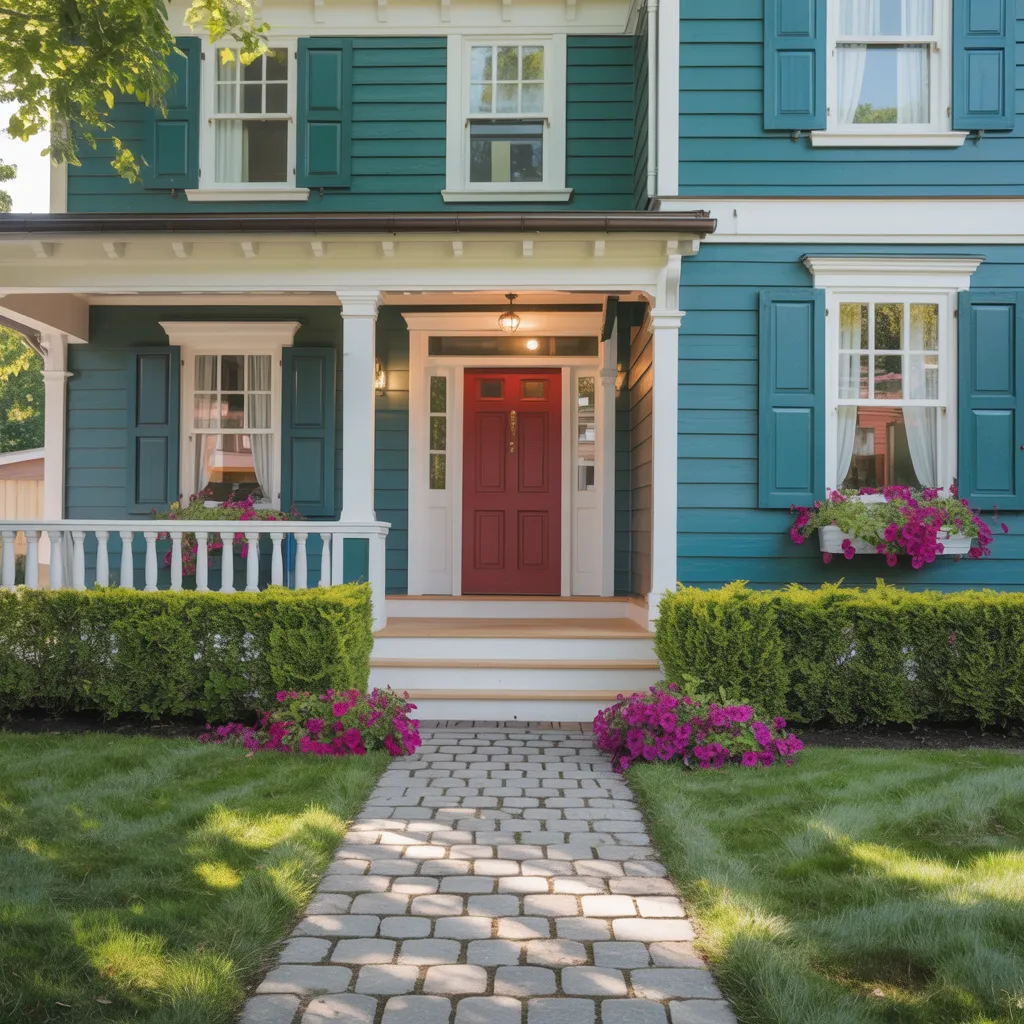
Color Selection: Tips for a Harmonious Environment
When choosing colors for a painting endeavor, homeowners need to reflect on how distinct tones relate to one another within a space. The color decision not only affects the aesthetics but also shapes the atmosphere and sense of proportion within a room. Light colors can create an illusion of spaciousness, making smaller areas feel larger, while darker tones can bring warmth and a sense of seclusion.
Homeowners should also take into account the lighting circumstances in every room, as natural and artificial light can affect the look of colors throughout the day. Matching colors with current furnishings and decor is vital for accomplishing a cohesive look. Moreover, accounting for the connection between adjoining areas promotes balance throughout the entire home. Testing color samples on the walls can provide insight into how the selected colors will look in various lighting scenarios. Ultimately, thoughtful color selection contributes greatly to the complete aesthetic of the home.
Preparing Your Home for Successful Painting
Getting a home for painting necessitates thorough planning. Removing furniture and properly protecting surfaces are critical steps to secure a smooth process and ideal results. By implementing these measures, homeowners can establish a better painting space.
Furniture Clearance
Clearing away furniture is crucial for a smooth painting project. It allows painters to access all surfaces without obstruction, guaranteeing an consistent application of paint. By taking out items such as sofas, tables, and cabinets, homeowners can protect against accidental harm to their valuables while enhancing the effectiveness of the painting process. Additionally, emptying the space creates a more organized environment, enabling the painters to work with minimal interruptions. It is suggested to place furniture in a separate room or storage area, while also accounting for the removal of wall decorations and light fixtures. This preparatory measure not only preserves the furniture but also promotes a more organized workflow, producing a professional outcome and a quicker turnaround time for the painting project.
Protect Surfaces Properly
To ensure a effective painting job, safeguarding surfaces is fundamental. Expert painting contractors typically begin by evaluating the area to determine which surfaces need to be shielded, such as floors, furniture, and fixtures. They commonly employ protective coverings or plastic tarps to cover flooring and furniture, eliminating the risk of paint spills and drips. Moreover, painters may tape edges and trim to ensure precise lines and limit the possibility of accidental paint spray. Extra attention is given to sensitive surfaces or spaces needing additional care. By utilizing these precautionary methods, expert painters develop a suitable workspace for the project, making certain the final outcome satisfies the homeowner's standards while upholding the quality of the property's existing surfaces.
Why Surface Preparation Is Key to a Flawless Finish
Although many people disregard the significance of surface preparation, it holds a vital place in achieving a flawless finish in paint applications. Proper preparation encompasses sanding, cleaning, and fixing surfaces to ensure they are even and without flaws. This significant step helps paint adhere better, reducing the likelihood of peeling or chipping over time.
Insufficient preparation often causes inconsistent surfaces that undermine the overall look of the completed work. Dust, grease, or old paint can form barriers that stop new paint from adhering properly, resulting in a dull finish. Additionally, identifying and addressing any pre-existing concerns, such as mold or structural damage, is necessary for guaranteeing extended durability.
At the end of the day, putting time and effort into surface preparation lays the foundation for a truly professional finish. By prioritizing this step, clients can enjoy a beautiful, lasting finish that enhances their space and reflects quality workmanship.
Which Painting Techniques Will Be Applied?
When evaluating paint application methods, several techniques can significantly impact the final outcome. The choice between brush and roller techniques, as well as the incorporation of spray painting techniques, plays an important role in achieving desired results. Additionally, special finishes can enhance the aesthetic appeal, making knowledge of these choices essential for informed decisions.
Brush Compared to Roller Methods
Deciding between brush and roller methods can significantly affect the outcome of a painting project. Brushes are ideal for intricate work, such as corners and edges, providing accuracy and control. They also excel in coating rough surfaces, making sure no crevice is missed. However, rollers are favored for larger areas owing to their fast and efficient coverage. They can cover expansive spaces quickly, providing a smooth finish with fewer visible brush strokes. The selection between these approaches often is influenced by the specific requirements of the project, including the surface type, desired finish, and the skill level of the painter. At the end of the day, each tool plays a key role in delivering a polished and high-quality outcome.
Spraying Techniques Explained
Spraying approaches deliver an alternative method for applying paint, making them especially effective for expansive surfaces and detailed work. This technique employs specialized equipment that atomizes paint into tiny droplets, allowing for an even and smooth application. Widely applied across residential and commercial projects, spraying can substantially decrease application time compared to conventional techniques. Options like airless spraying and HVLP systems are commonly preferred methods, each offering distinct benefits. Airless sprayers provide high pressure for thicker coatings, while HVLP systems minimize overspray, making them perfect for precision tasks. Understanding these techniques helps clients appreciate the efficiency and quality of results achieved, confirming their painting work fulfills expectations.
Special Finishes Summary
Specialty finishes enhance the visual appeal of a paint project, offering unique textures and visual effects. Techniques such as faux finishes mimic the look of natural materials, such as marble or wood, bringing depth and elegance. Metallic treatments deliver a shimmering quality, enhancing light and creating a modern feel. Distressed finishes, often used in rustic settings, impart a vintage charm by recreating the appearance of natural aging. Furthermore, textured coatings can produce tactile surfaces that capture attention and encourage touch. Every unique finish demands expert application to attain the intended appearance, ensuring that the final result aligns with the homeowner's vision. Familiarity with these methods enables clients to make well-informed decisions that significantly improve their spaces.
What Happens on Painting Day
What happens on painting day can significantly impact the entire experience for homeowners. When they arrive, the painting team typically carries out a walkthrough to verify details and handle any remaining questions. Homeowners can count on the team to get the space ready, which involves repositioning furniture, laying down protective coverings, and taping edges to achieve crisp lines.
Once preparations are complete, the actual painting gets underway. Experienced painting teams usually start with ceilings, followed by the walls and trim work. Homeowners may notice the team proceeding systematically, using targeted approaches to achieve the study preferred outcome. Ongoing communication is essential; painters often update homeowners on any unexpected issues and overall progress.
Over the course of the day, homeowners may notice noise and paint-related odors, so it is best to stay clear of the work area. Ultimately, a properly planned painting day paves the way for a remarkable change in the living space.
What Does Post-Painting Clean-Up Include?
When the last layer of paint has set, the after-painting cleaning process commences, making certain that the space is left clean and ready to be used. Professional painting services generally include several key steps in this part of the process. Initially, painters will methodically remove protective coverings from floors and furniture, ensuring no remnants of tape or cloth remain. Subsequently, they will address any paint splatters or drips, utilizing the proper cleaning agents to bring surfaces back to their prior condition.
Furthermore, all painting tools, brushes, and containers are cleaned and packed away, reducing clutter. The team will also conduct a thorough inspection of the area to confirm that nothing has been left unaddressed. To conclude, waste disposal is handled responsibly, with leftover paint and materials discarded according to local regulations. This extensive clean-up not only enhances the visual appeal of the newly painted space but also reflects the high standards of the painting team.
Finishing Touches: Guaranteeing Your Satisfaction
Once the clean-up is finished, the emphasis moves to the last steps that guarantee client satisfaction. This step requires a meticulous inspection of the painting work, ensuring uniform coverage and consistent color throughout. Painters diligently check for any skipped sections or blemishes, resolving these promptly to copyright high standards.
Interaction proves vital during this process; painters often engage with clients to ensure their needs are satisfied. Clients are encouraged to voice any concerns or request adjustments, fostering a collaborative environment.
In addition to visual checks, the crew may apply finishing touches or protective treatments as needed, providing lasting performance. After all components are deemed acceptable, painting professionals usually supply upkeep recommendations, helping customers to maintain their refreshed space effectively.
In the end, these final touches reinforce the client's overall entire experience, turning a mere service into a lasting partnership founded upon excellence and satisfaction.
Questions Our Customers Often Ask
How Long Will the Paint Last After the Job Is Completed?
Commonly, paint holds up between five to ten years, depending on factors like environmental conditions, surface preparation, and paint quality. Routine upkeep and correct application can considerably prolong its life, providing a long-lasting outcome.
Can I Get Eco-Friendly Paint Options for My Project?
Eco-friendly paint options are widely available for various projects. These paint varieties commonly include minimal volatile organic compounds (VOCs), rendering them more beneficial for the environment and the quality of indoor air, while continuing to offer superior coverage and reliable durability.
What Should I Do if I Want to Change My Colors?
When a client decides to change their color choices, the painting service generally addresses the request, commonly calling for a dialogue about likely delays and added charges. Transparent communication secures a favorable outcome for all parties concerned.
Can I Stay in My Home While Painting Is in Progress?
Indeed, homeowners can remain in their homes throughout painting projects, even though it may cause some inconvenience. Proper ventilation and protective measures work to minimize disruption, but some areas may be off-limits or require temporary relocation for safety.
How Is Furniture and Belongings Managed During the Painting Process?
Throughout the painting procedure, expert technicians typically relocate or protect furniture and belongings with specialized protective materials. This confirms that possessions are kept safe while permitting the technicians to reach every surface with ease and precision, improving the quality of the entire project.
Comments on “High Quality Painting Services by Pentagon Painting, Inc.”